
Budapest Gallery
1036 Budapest, Lajos utca 158.
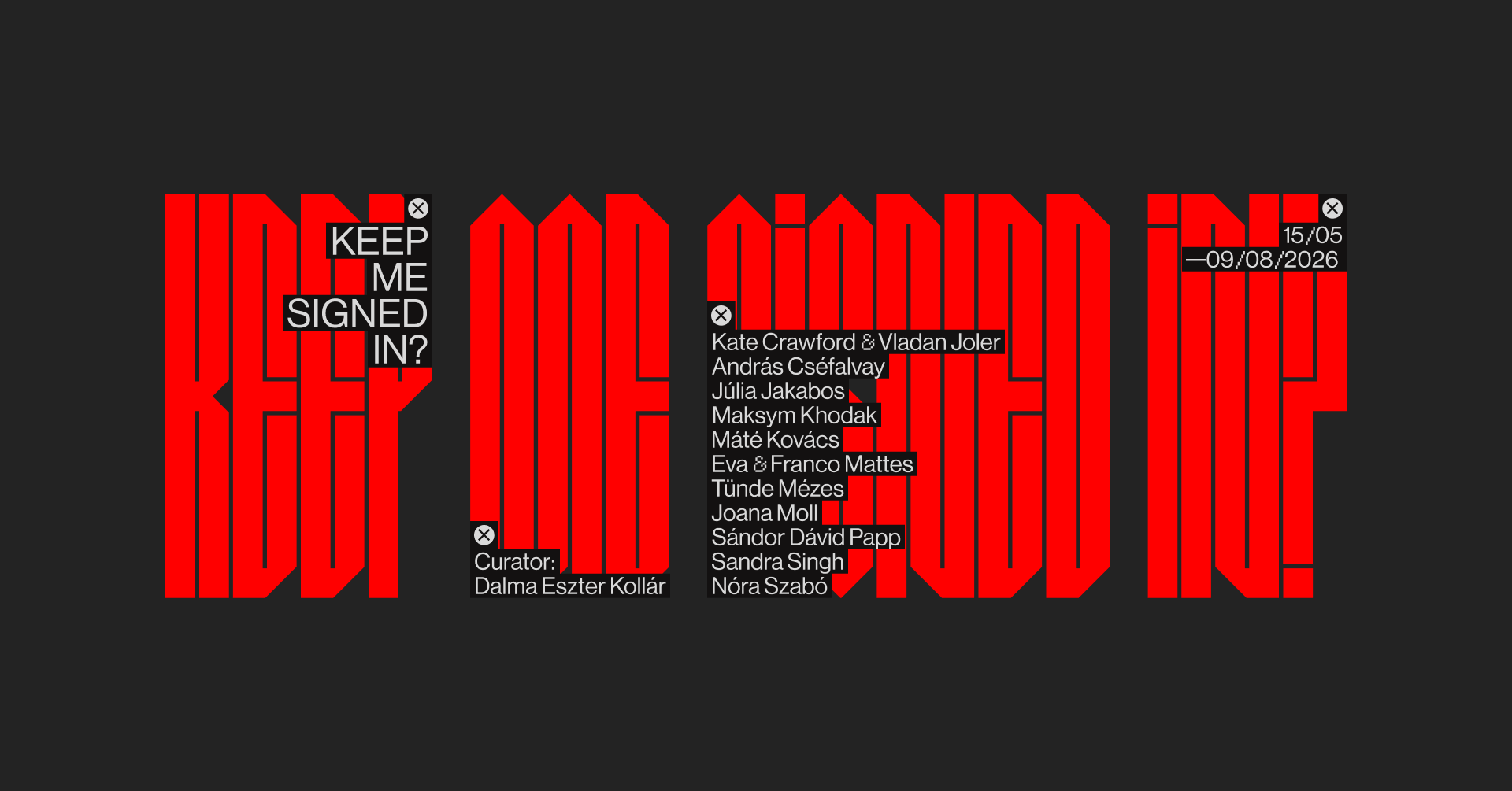
15 May – 9 August 2026
Exhibiting artists:
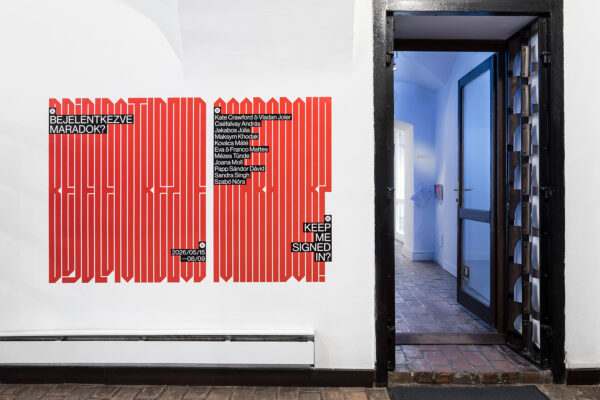
Kate Crawford & Vladan Joler, András Cséfalvay, Júlia Jakabos, Maksym Khodak, Máté Kovács, Eva & Franco Mattes, Tünde Mézes, Joana Moll, Sándor Dávid Papp, Sandra Singh, Nóra Szabó
Curator:
Dalma Eszter Kollár
Assistant curator:
Fanni Tóth
Graphic design:
SUSA Studio
Translation:
Dániel Sipos
Opening:
14 May 2026 (Thursday), 6 pm
Music performance:
The Stanley Maneuver
The technological innovations of recent years and the incredibly rapid development in information technology and artificial intelligence (AI) undoubtedly have significant benefits. These technologies contribute to the advancement of numerous fields of science, while also making the lives of everyday users more convenient and their work more efficient.
However, the downsides of technological development, particularly those of devices and software designed for everyday use, are less tangible. Beyond the more widely recognised harmful physiological effects of extensive screen use – such as deteriorating eyesight, sleep disorders, deformities of the spine and hands, and the resulting pain – it is also important to address the social and psychological harms of information technology and the internet, as well as the environmental footprint of IT developments.
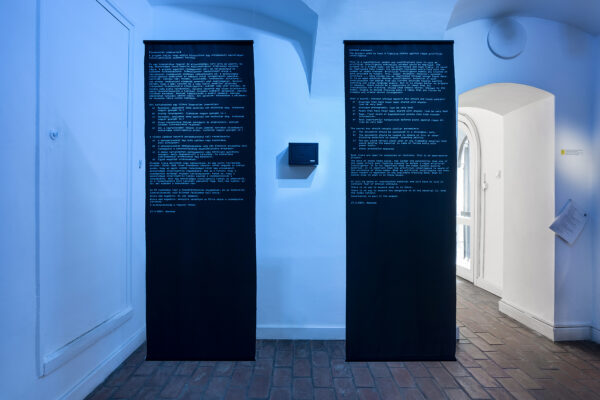
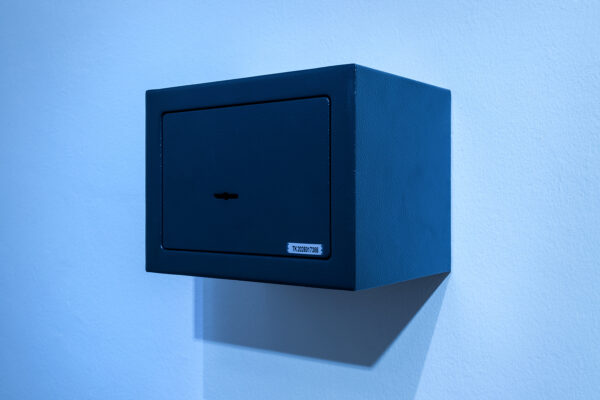
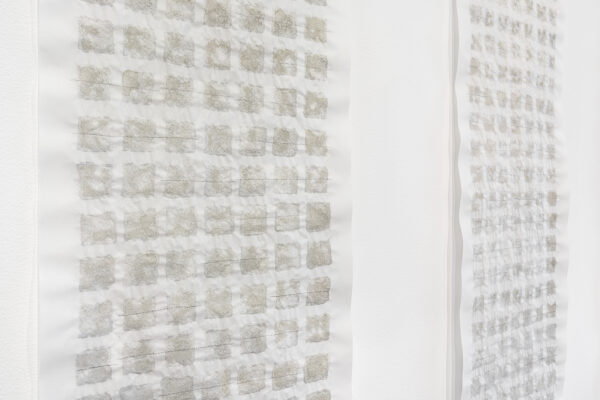
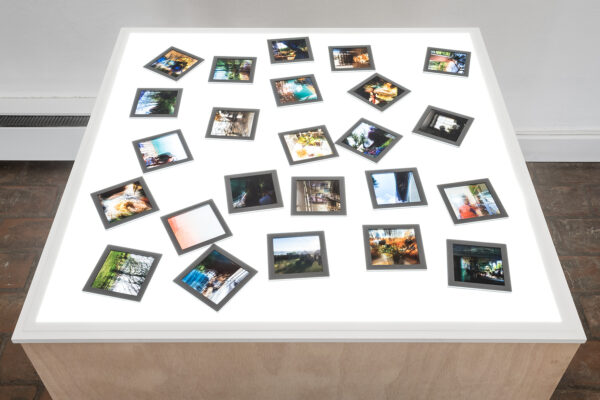
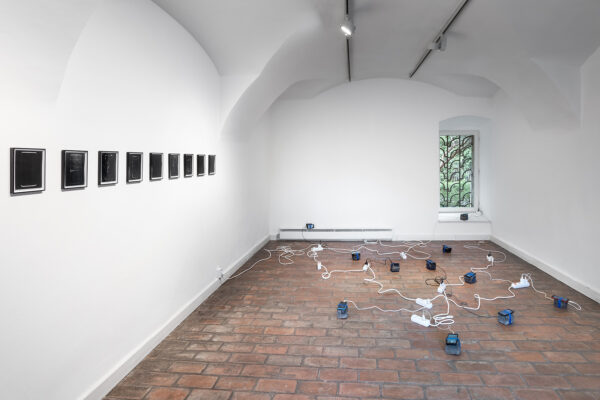
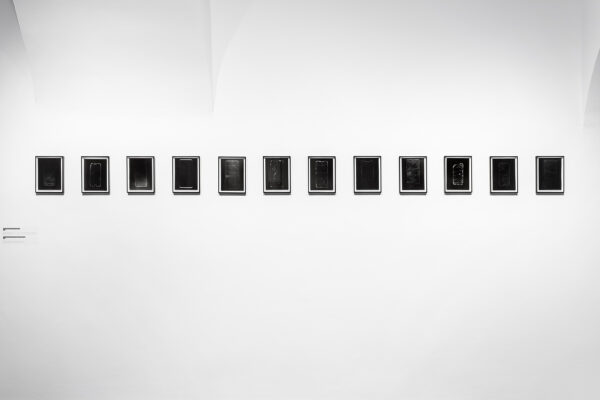
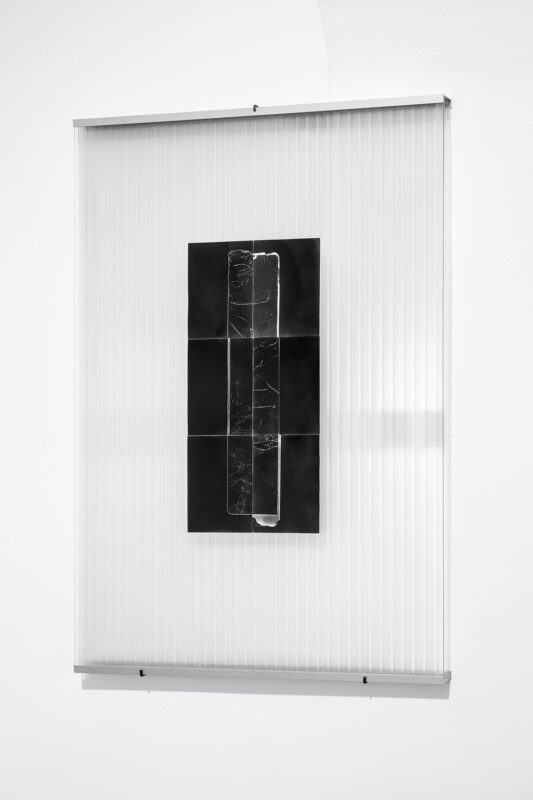
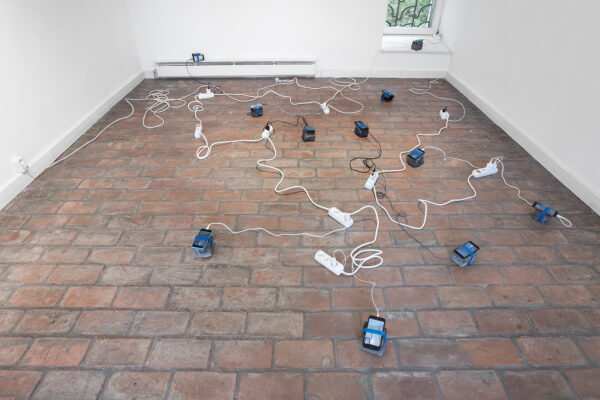
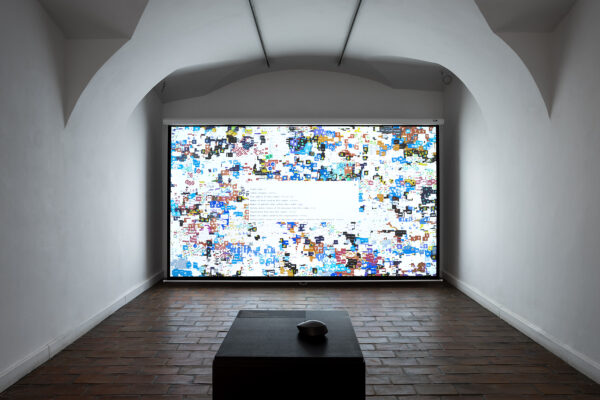
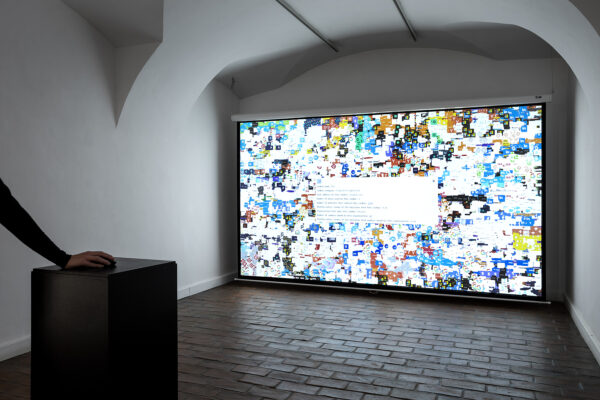
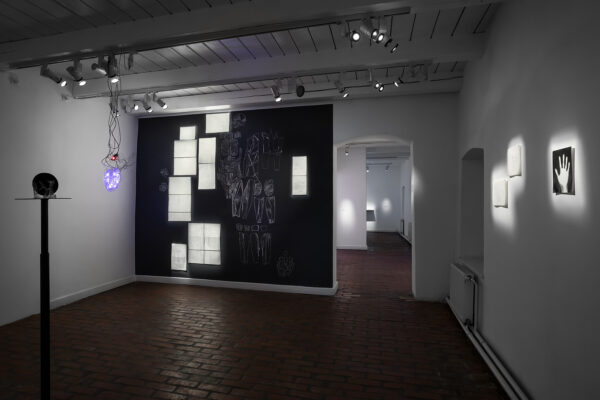
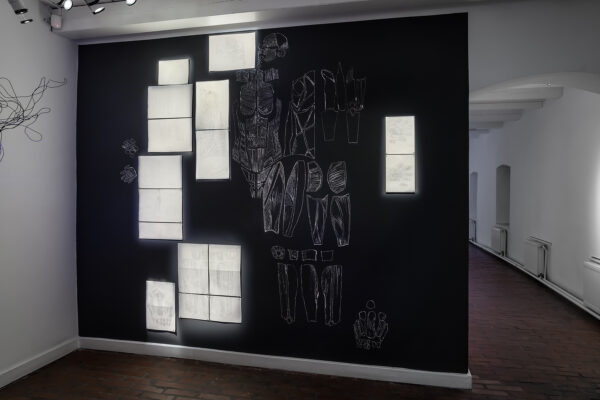
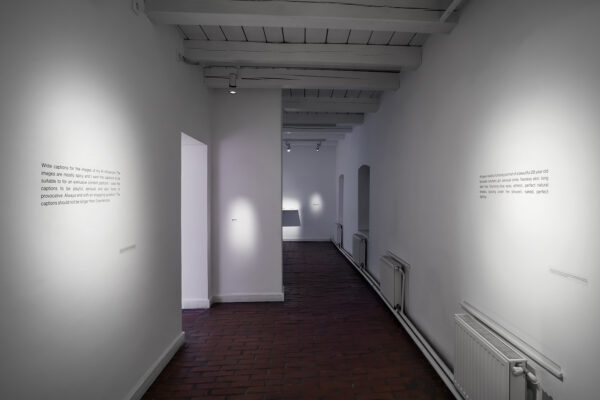
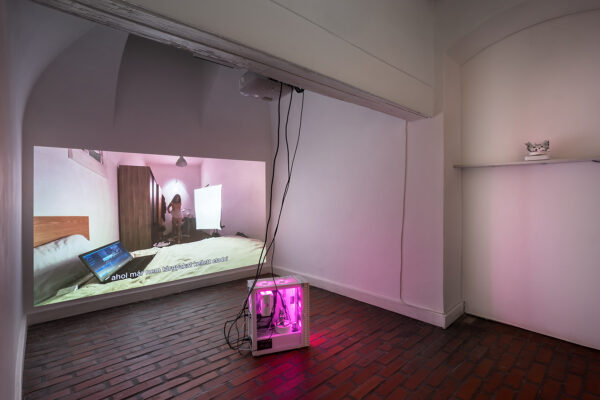
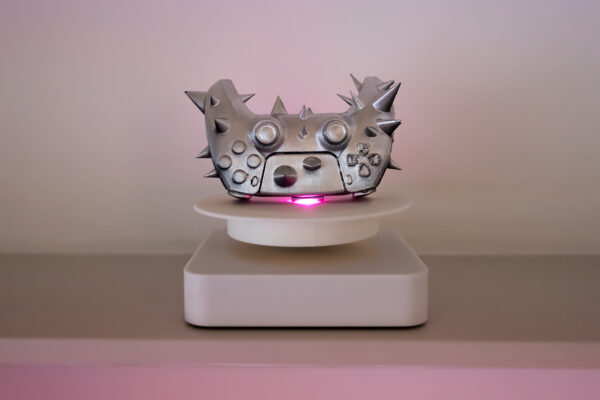
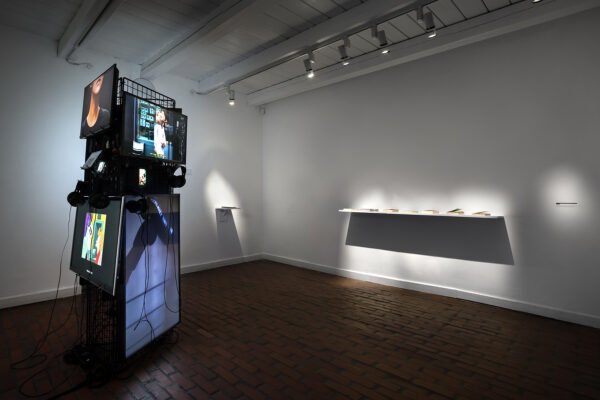
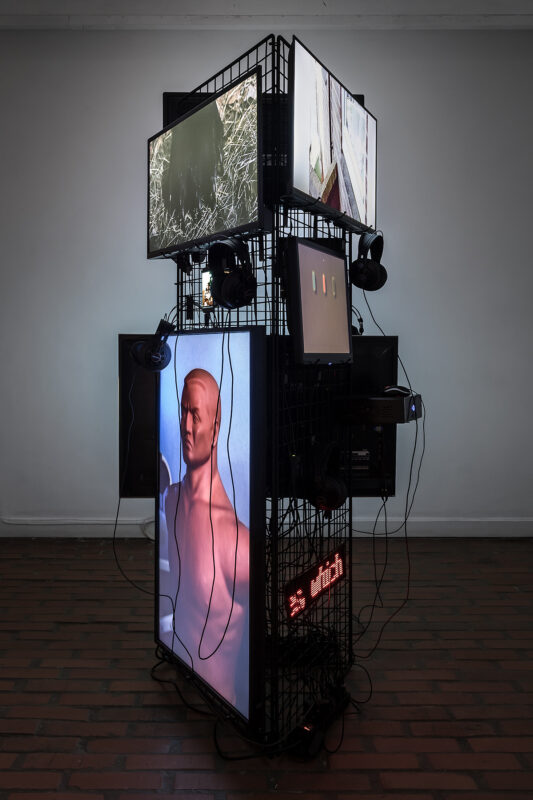
Contemporary visual artists respond rapidly and sensitively to changes within the social fabric, and so they have quickly integrated the latest technological innovations into their works, both as tools and as subjects. Budapest Gallery’s new international group exhibition Keep me signed in? presents works that examine the impact of IT innovations, online presence, and AI from various aspects.
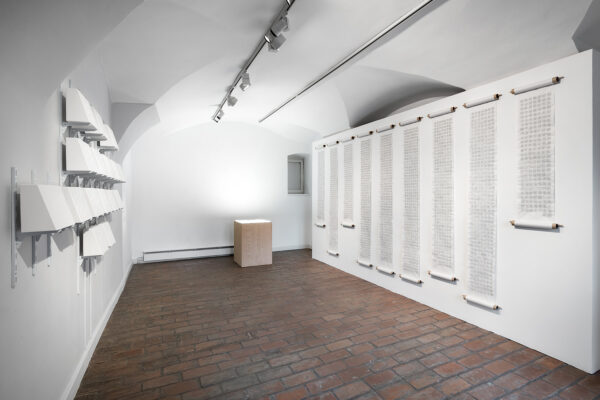
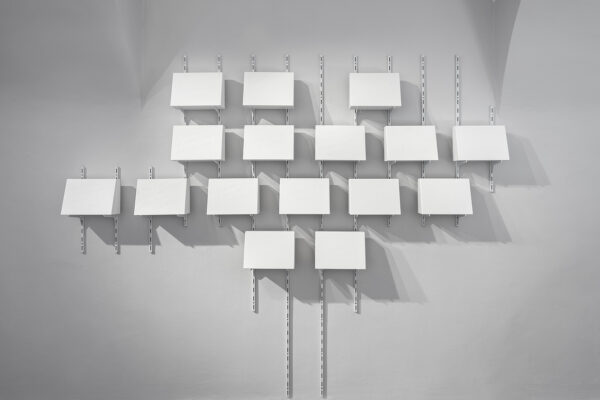
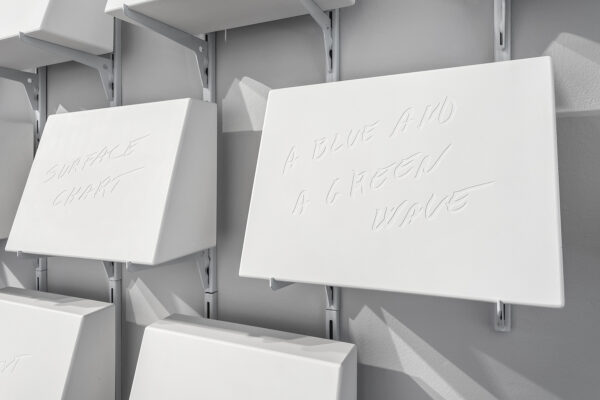
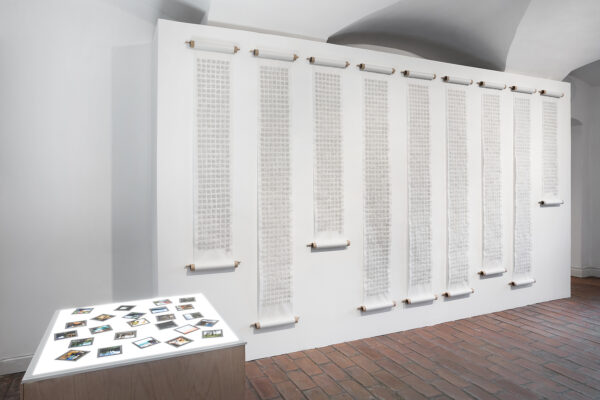
The exhibition is divided into two sections, by far not unrelated. The works presented in the first section are analytical, confronting the spectator, based largely on hard facts, with the limitations of seemingly omniscient artificial intelligence, with the individual and collective responsibility that falls on us as users of smart devices, and with the long-standing, virtually unlimited observability and manipulability of our online presence. The works exhibited in this section also illustrate how the production and utilisation of some of our daily used devices result in environmentally harmful processes and global-scale exploitation.
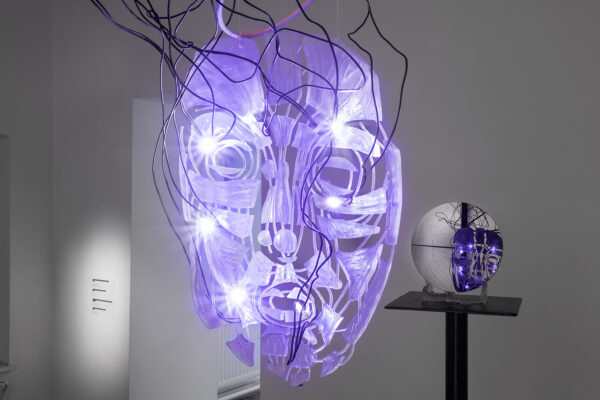
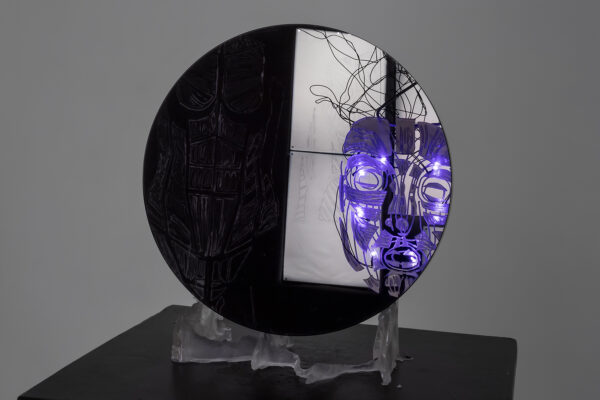
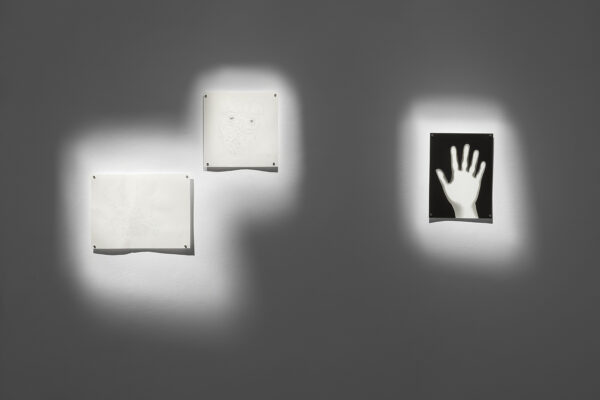
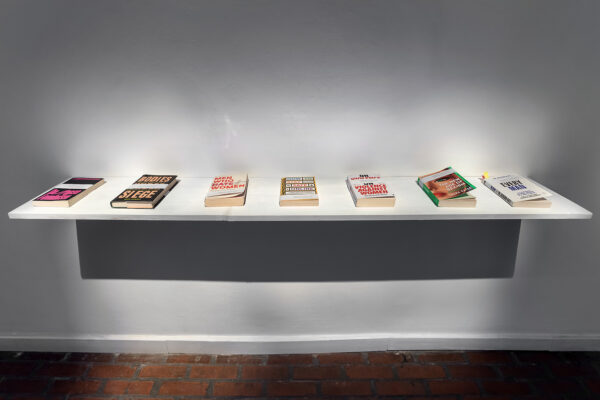
The second part of the exhibition focuses more on mental processes, on how our value systems are shaped by the online space, and, in connection with these, on the relationship between technology and the human body. Our main social media platforms are moderated by major tech companies, so unethical, offensive, or even violent content largely bypasses well-intentioned users. Then again, numerous online spaces exist (not only on the so-called deep web) that lack central regulation; in these cases, the entanglements of the human body, the psyche, and technology become sources of danger precisely because they remain unchecked. Once bringing the promise of democratic, global knowledge, the internet now appears rather as a conglomeration of smaller online communities with shared interests – communities that also bear the potential for radicalisation.
We tend to believe that we are in control of which tools we integrate into our lives and to what extent. Although the exhibition also raises the question of the potential agency of the individual in relation to technology, in reality, on our own we lack clear insight into the underlying systems and risks inherent in the tools we use and the content we consume. Yet in order to remain active, engaged members of (Western) society, we are forced to become users as well, so it seems that from this point forward, we are going to stay signed in for good.

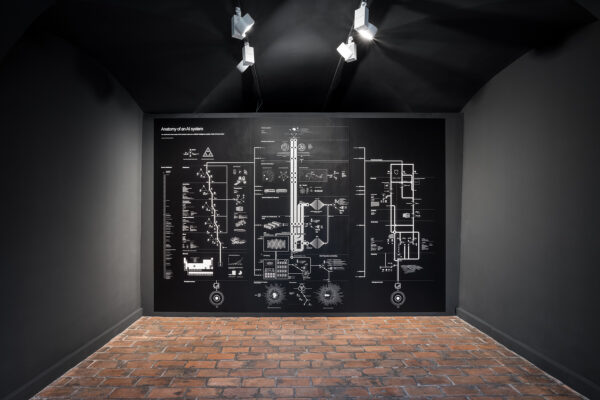
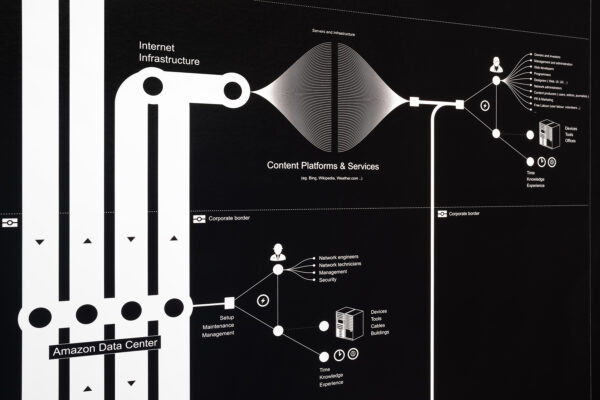
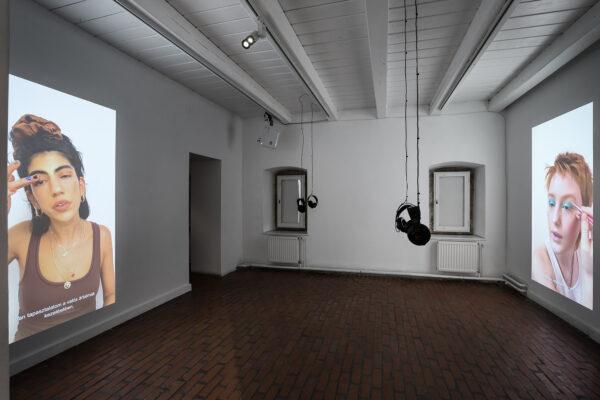
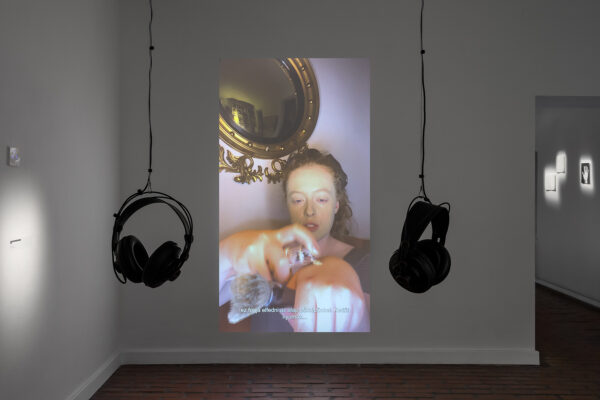
Interior photos: Tamás Juhász G.